Hong Kong banks face wealth retention challenge as families diversify
BCG warns that attracting assets alone cannot secure long-term relationships.
Hong Kong banks face growing pressure to retain wealthy families as cross-border financial needs and intergenerational wealth transfers challenge traditional investment-focused advisory models.
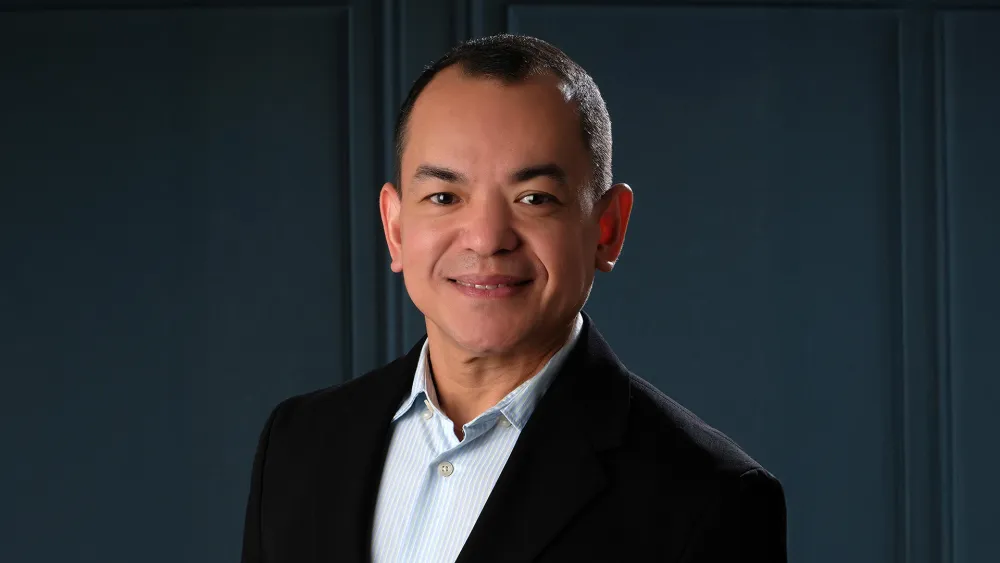
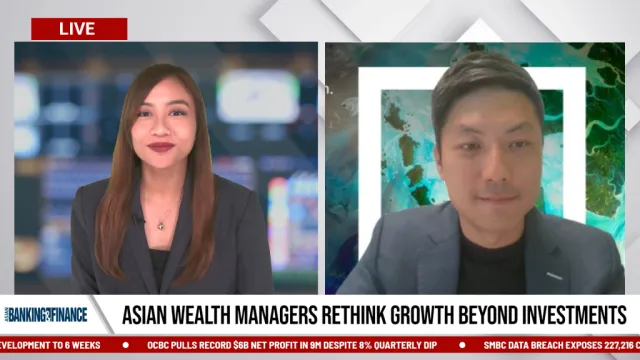
Despite Hong Kong becoming the world's largest cross-border wealth hub with approximately US$2.9t in assets, attracting capital does not guarantee lasting client relationships, according to David Chan, Managing Director & Partner at Boston Consulting Group (BCG).
"Attracting assets is only one part of the opportunity here," Chan said.
BCG estimates that mainland China has approximately 25 million globally minded families whose businesses, investments and personal interests span multiple markets.
Their needs increasingly extend beyond investment returns to business financing, taxation, succession planning, family governance and wealth protection.
Banks must consequently coordinate services across jurisdictions whilst ensuring regulatory compliance, adding complexity to client relationships.
Chan said banks are strengthening collaboration between mainland China and Hong Kong, but the city's longer-term competitiveness will also depend on expanding connections with Southeast Asia, Central Asia and the Middle East.
Intergenerational wealth transfers create another retention risk as younger family members may not share their predecessors' investment priorities or banking relationships.
Founders typically prioritise business continuity and wealth preservation, whilst successors may pursue entrepreneurial ventures and different investments.
Banks must engage successors earlier and help families establish governance arrangements, succession plans and shared priorities rather than assume inherited wealth will remain with existing advisers.
Planning gaps also extend beyond financial assets. Research conducted with an insurer in Hong Kong found that roughly 80% of surveyed wealthy individuals had wealth decision continuity plans, but only 20% had comparable arrangements for healthcare decisions.
Meanwhile, artificial intelligence presents operational challenges as banks attempt to improve client engagement and relationship management.
"I think the biggest challenge is no longer about whether the AI technology works, but then it is about whether it is useful in the daily work for the like a front line or the users," Chan said.
He said banks must adapt AI tools to different relationship managers, demonstrate their practical value and coordinate technology, risk and compliance functions to support implementation.















 Read Here
 Advertise
 Sign Up






Commentary
Cheap intelligence, scarce judgment: The new model for Asian institutional investing
The next competitive advantage in banking AI is explainability, not automation
The hidden realities of succession for next-gen heirs
The stablecoin conversation is missing the everyday user