Sokin retains human approval for AI-assisted payments
Businesses are seeking faster access to cross-border payment data.
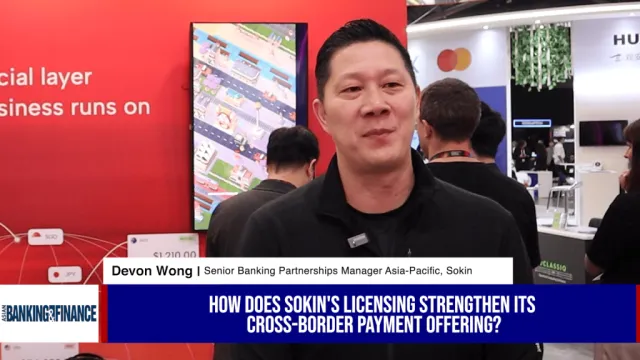
Sokin is keeping its AI-enabled treasury connector read-only, requiring human approval for payment movements as businesses seek faster ways to manage cross-border transactions without compromising financial controls.
Devon Wong, senior banking partnerships manager for Asia-Pacific at Sokin, said the company's Model Context Protocol (MCP) connector allows finance teams to access payment information through AI tools whilst retaining control over transactions.
The approach aims to reduce the time finance departments spend retrieving financial information without allowing AI systems to independently authorise payments.
Wong said finance teams can access data, payment information and transaction visibility through a single prompt, potentially reducing administrative work for chief financial officers and their teams.
However, integrating payments into digital platforms presents challenges beyond technology.
As businesses increasingly embed multi-currency accounts and international payouts into marketplaces and software platforms, Wong said compliance infrastructure remains essential, particularly across Asia-Pacific's highly regulated markets.
"Trust comes first," he said.
Wong stressed that compliance and technology must work together to support reliable money movement, making established financial infrastructure important for businesses integrating payment services.
The comments follow Sokin's securing of a Major Payment Institution licence from the Monetary Authority of Singapore, strengthening its presence in one of Asia-Pacific's major financial hubs.
Wong described Singapore as a gateway for expanding opportunities for the company and its clients, citing strong regional demand for payment services.












 Read Here
 Advertise
 Sign Up







Commentary
Can governance keep pace with smarter technology?
How Asia-Pacific banks can escape the cross-border payments ‘commodity trap’
Cheap intelligence, scarce judgment: The new model for Asian institutional investing
The next competitive advantage in banking AI is explainability, not automation