Merchant onboarding delays Philippine cashless shift
NTT DATA says documentation can take up to three weeks.
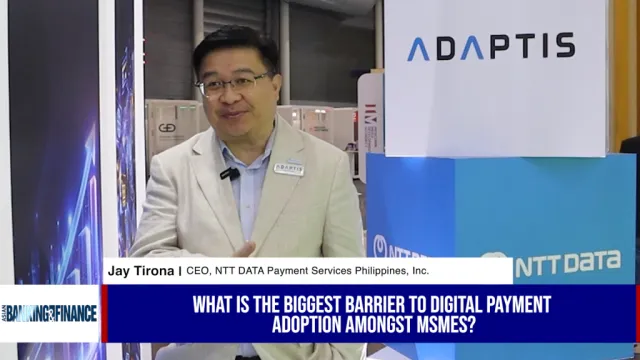
Lengthy documentation requirements, transaction fees and payment terminal costs are slowing digital payment adoption amongst Philippine micro, small and medium enterprises (MSMEs), despite rising electronic payment usage nationwide.
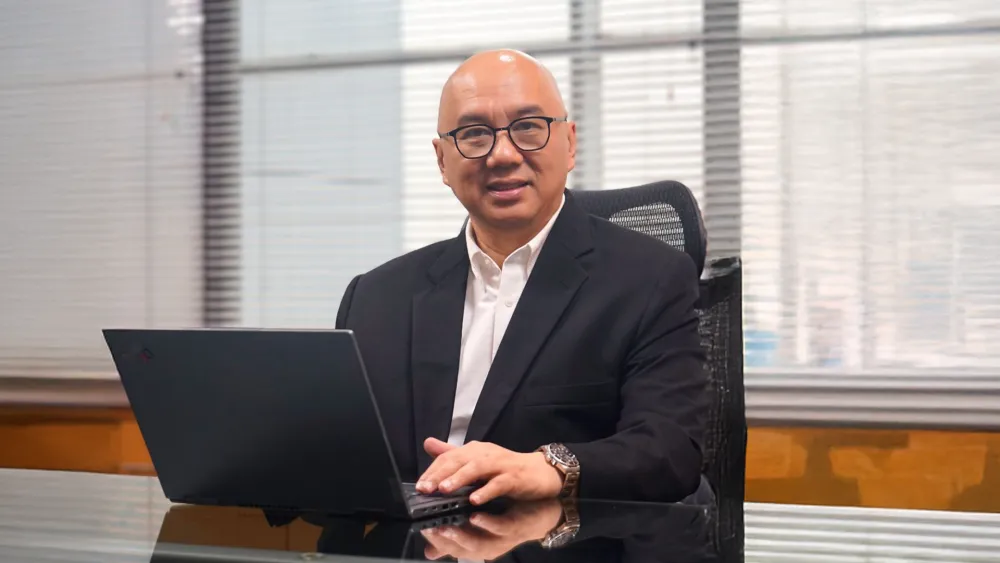
Jay Tirona, CEO of NTT DATA Payment Services Philippines, said merchant onboarding remains a major operational bottleneck, particularly for smaller businesses navigating multiple government and company requirements.
He said merchants typically face 10 to 12 documentation requirements, with collection taking considerably longer than the actual risk assessment.
"Risk onboarding can actually take one to two days or sooner, it's actually the document collection that can take two to three weeks even," Tirona said.
The delays persist despite growing digital payment adoption. Citing Bangko Sentral ng Pilipinas (BSP) figures, Tirona said electronic payment penetration increased from 57% in 2024 to 65% in 2025.
To reduce onboarding friction, NTT DATA Payment Services has introduced segmented merchant assessments based on business type and payment requirements, alongside digital tools aimed at shortening processing times.
Transaction costs present another barrier. Tirona identified interchange fees as the largest component of merchant discount rates, increasing the cost of accepting electronic payments.
He said the company participates in card scheme programmes offering reduced interchange fees for certain merchant segments, passing the benefits to businesses.
Hardware affordability also remains a concern as rising memory chip costs increase payment terminal expenses.












 Read Here
 Advertise
 Sign Up







Commentary
Can governance keep pace with smarter technology?
How Asia-Pacific banks can escape the cross-border payments ‘commodity trap’
Cheap intelligence, scarce judgment: The new model for Asian institutional investing
The next competitive advantage in banking AI is explainability, not automation