Why deep banking needs a new local fix in every market
Regulation and customer maturity vary by country as do credit and interest rate cycles, Monzo’s TS Anil says.
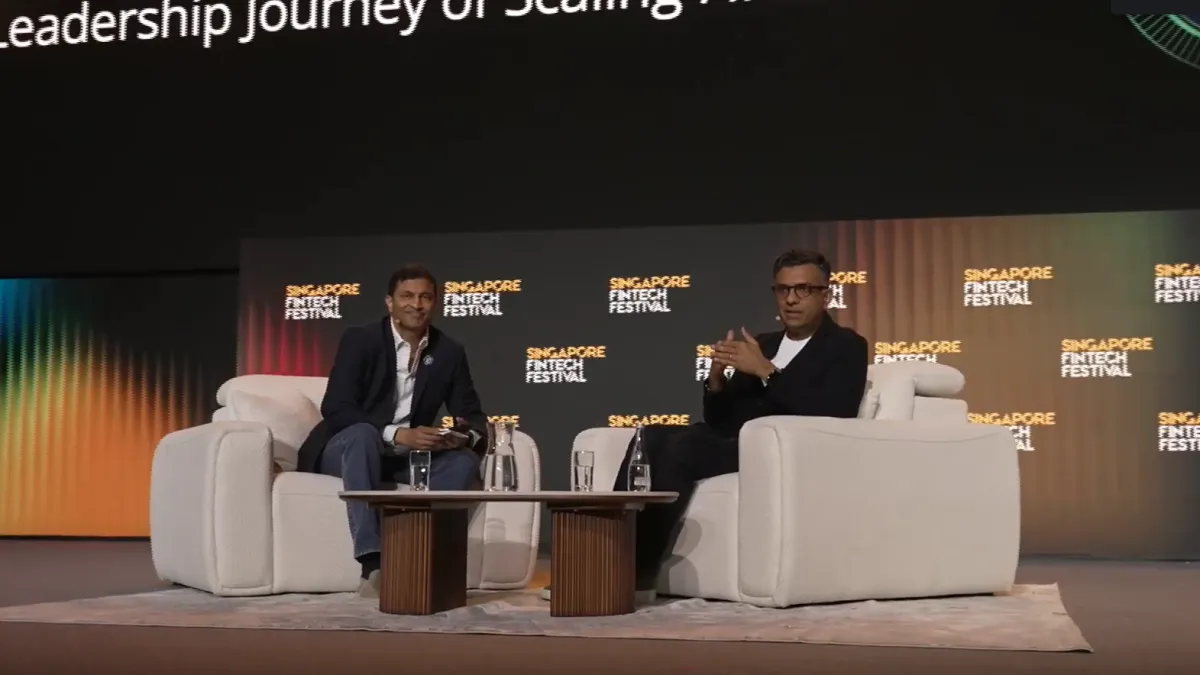
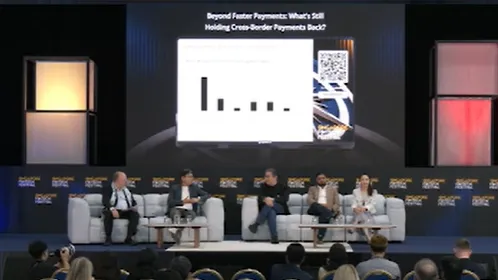
Good technology and product IP scale horizontally across markets, but building a deep banking business requires solving a different local problem in every country, Monzo Vice Chair TS Anil said at the Singapore FinTech Festival.
Anil, who served as Monzo’s CEO for six years, was asked how the bank approaches international expansion in an industry that is simultaneously digital and deeply local. His answer drew a clear line between what travels and what does not.
“Each market is different because regulators care about different things, and regulations have been written through a combination of historical reasons in different ways,” he said. Beyond regulation, markets sit at different stages of customer maturity and technology readiness, and go through different cycles — credit cycles, interest rate cycles — that make each country a distinct operating environment.
And yet, one truth holds everywhere. “I’ve yet to find an exception where customers are not dissatisfied with the quality of the service that they get from the incumbent industry,” Anil said.
The reason, he said, is consistent across markets. “There is a deep sense of: I trust that the bank will remain. I trust that the bank is not going to go bust, but I don’t trust that they have my best interests at heart. I don’t trust that push comes to shove, I’m not going to get arbitrated.”
That context, he said, is common across the world, and so is what Monzo believes it can bring to it.
“Good technology scales horizontally. And good product IP scales horizontally, so we believe deeply that what we have will scale across markets, across jurisdictions, because we get being the right tech stack, the right product IP, and the right culture and mindset to solving the problems,” Anil said.
But he was clear that local adaptation is not optional. “In each country that we go deep into, we’re going to adapt for the local market because we’re not building a thin slice product,” he said.
“If you’re building a thin horizontal product, like if you’re just oriented on say money transfers or something, that’s inherently global right off the bat,” Anil said. “But we’re building deep businesses to transform people’s relationship with money. That takes a different muscle.”







 Read Here
 Advertise
 Sign Up