How Monzo made mission and profitability inseparable
Transparent treatment builds trust that drives product use and referrals, says Monzo vice chair.
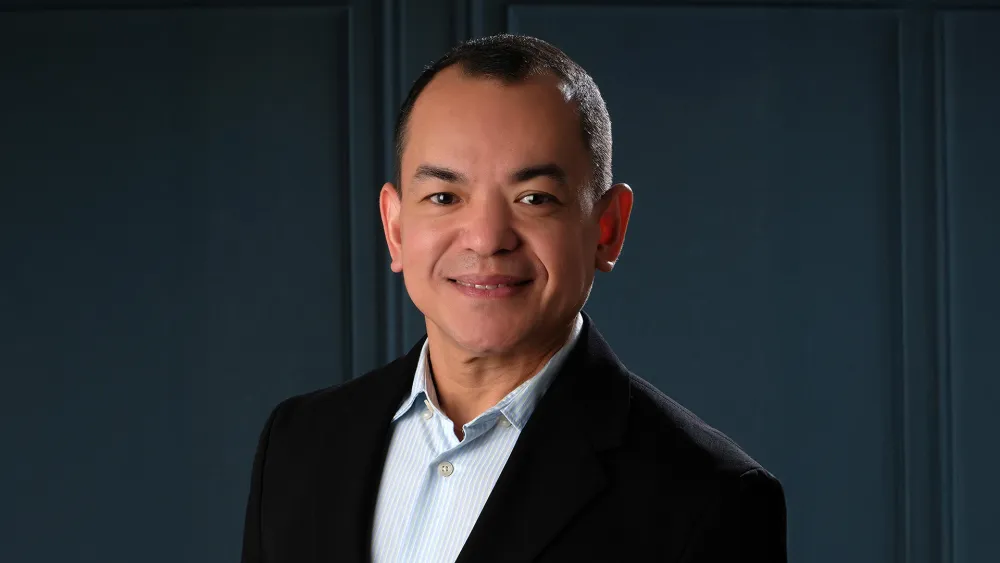
Two thirds of Monzo’s new customers in the UK come through word of mouth, and TS Anil, who led the bank for six years as CEO, says that is what happens when a mission statement becomes an actual business model.
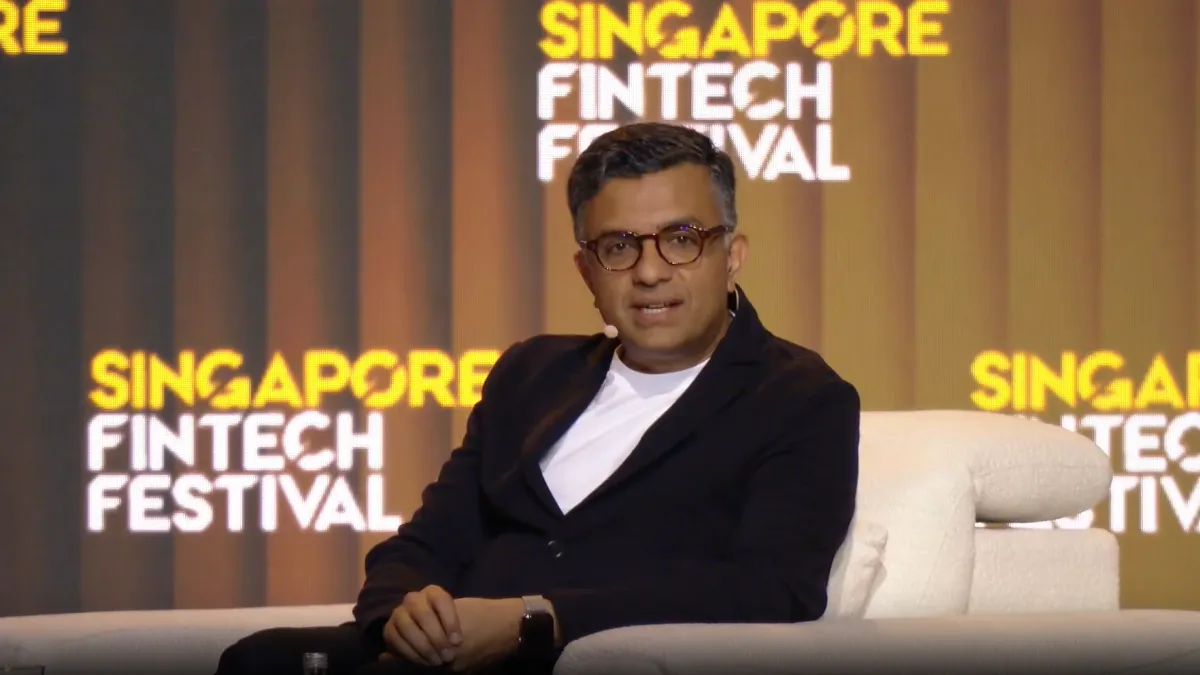
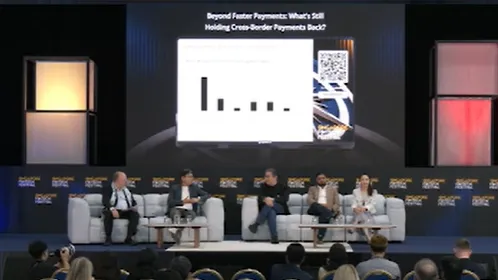
Speaking at the Singapore FinTech Festival, Anil, vice chairman of Monzo’s group board, said the defining choice he made when he took over as CEO was to treat the company’s mission and business plan as inseparable rather than as a trade-off.
“A mission without a business plan is a freaking bumper sticker,” he said. “How do you create a mission that’s congruent with a business plan?”
Monzo’s mission is to make money work for everyone. Anil said too many companies operate with a dichotomy: they claim one mission whilst making money in a way that contradicts it. The result, he said, is that it starts to feel like a trade-off.
His argument is that the two can and should reinforce each other. If the mission is executed correctly, customers are genuinely helped, treated transparently, and not exploited. The result is trust, and trust produces what Anil calls customer love.
“The average Monzo review is seven times or more likely to use words like love when describing us,” he said.
Customer love drives deeper product engagement, greater willingness to buy additional products, and referrals to friends and family. Those referrals produce growth. Monzo adds a million customers a quarter in the UK alone, and two thirds of those arrive through word of mouth.
“The more successful you are from a business plan perspective, the more customers you’re able to serve, the more you fuel the mission,” Anil said. “So these two things are not divergent at all.”
He was equally direct about what the approach is not. It is not about offering freebies to customers at the expense of investors and calling that mission. Monzo’s principle is to never monetise what he called the troika of incumbent revenue: customer ignorance, inertia, or vulnerability. Removing those options forces a different kind of product thinking, one that finds its commercial model in genuinely serving customers rather than in exploiting their behaviour.
At Monzo, Anil said, the mission is not a poster on the wall or something that features on a mouse pad. It is the standard against which every decision is tested. “The number of all hands where someone would stand up and ask me, TS, why are we doing that thing? That doesn’t feel like it’s on mission. We should address that,” he said.
The growth model, he said, becomes self-reinforcing as the mission is served more effectively. “When you have people tell you that their kids trust their kids’ money with you, and the fact that that’s what drives our growth — it happens because, as I said, the mission makes it all happen,” he said.












 Read Here
 Advertise
 Sign Up