BNI eyes tapping business networks to assess small company borrowers
The bank sees AI as potentially more useful for monitoring borrowers than approving loans.
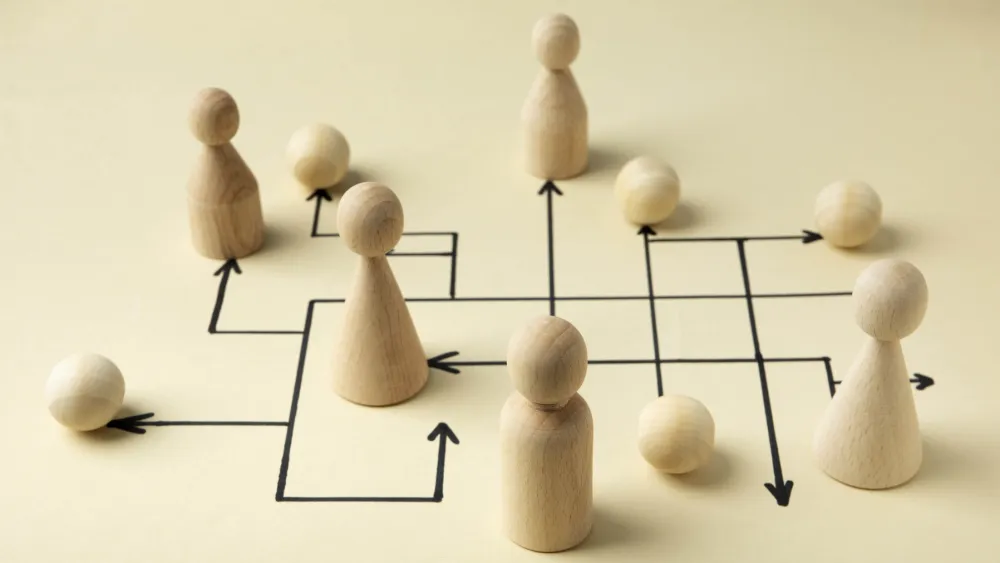
PT Bank Negara Indonesia (Persero) Tbk (BNI) is exploring the use of data on how small businesses interact with buyers, suppliers, and large companies to assess lending risks that may not be apparent from looking at borrowers individually.
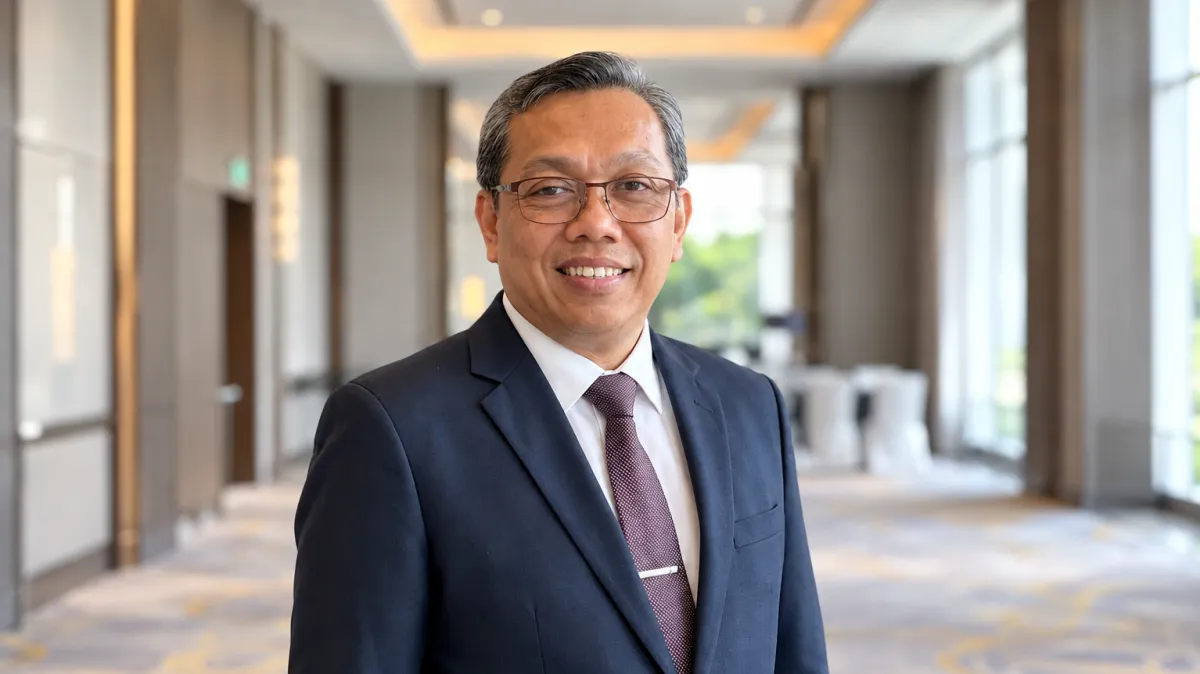
"Credit decisions are still made by BNI," Sigit Prihatmoko, head of the corporate innovation centre at BNI, told Asian Banking & Finance. "But through the ecosystem approach, we can understand MSMEs not just as standalone entities, but as part of a larger economic network."
BNI, Indonesia's fourth-biggest bank by assets, is looking at how to track micro, small, and medium enterprises (MSMEs) in their dealings with buyers, suppliers, or a big company within the same supply chain, which could give the bank more information about their businesses and transaction patterns.
"The ecosystem doesn't replace underwriting; it enriches our understanding of risks and opportunities that might otherwise stay invisible if we only looked at one entity in isolation," Prihatmoko said in an emailed reply to questions.
The state-owned commercial bank is looking to apply the approach to payroll customers, government-linked digital projects, and Indonesian communities overseas as it looks to expand beyond its traditional wholesale banking business.
Payroll services could give the bank access to people and families, supply chains could connect it with small businesses, and overseas Indonesians could provide opportunities for cross-border financial services, Prihatmoko said.
The bank anticipates that customers will increasingly utilise third-party platforms to access financial services, expanding market reach and complementing BNI’s proprietary banking applications.
"Our goal isn't to make the bank invisible, but to make access to financial services easier and more natural for the public," Prihatmoko said. "What should disappear in invisible banking is the friction—extra steps like visiting a branch or filling out a separate form—not the trust."
He said artificial intelligence (AI) could play a bigger role in monitoring small-business borrowers than in deciding whether to approve their loans.
AI could let BNI process more data, identify patterns that may be difficult to detect manually, and spot changes in a company's business or behaviour earlier.
"AI helps produce better insight, but the decision and the accountability stay with the bank," Prihatmoko said.
BNI has not set a target for how much lending its small-business strategy will generate. Prihatmoko said the bank is instead focused on whether the approach could be expanded whilst controlling risks and helping businesses grow.










 Read Here
 Advertise
 Sign Up