Banks rethink overseas ties as payments go digital
Bank of America sees common standards and round-the-clock liquidity as key hurdles.
Banks are expected to rely on fewer overseas partners for international payments as digital platforms simplify cross-border transactions, according to Bank of America Corporation (BofA).
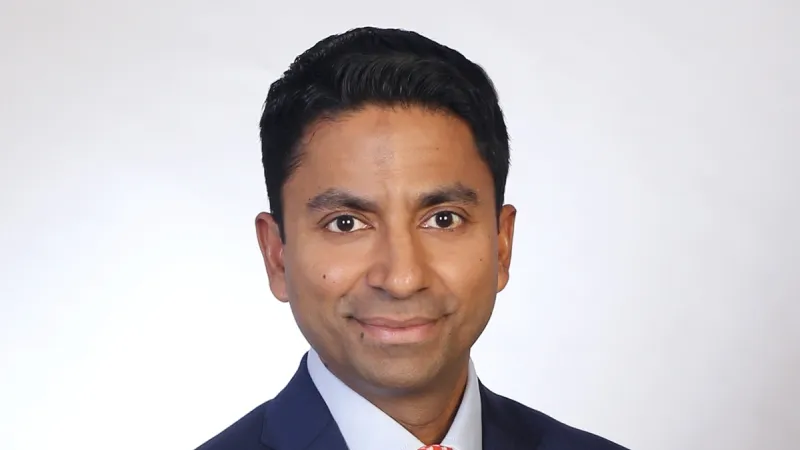
“Financial institutions increasingly want global reach through a smaller number of trusted providers rather than a web of bilateral arrangements built market by market,” Siddharth Gupta, Asia-Pacific head of financial institutions group for Global Payments Solutions at BofA, told Asian Banking & Finance.
Overseas banking partners would remain essential for international payments, currency exchange, and managing cash and risks, but customers would have less direct contact with them, he said.
Digital platforms can connect local instant payment systems, currency conversion, compliance checks, and transaction tracking, letting banks choose payment routes based on customers' preferred delivery times, costs, and currencies.
Gupta said BofA aims to coordinate these services rather than require customers to manage separate payment arrangements.
He expects stablecoins, tokenised deposits, and conventional bank money to coexist rather than any single technology replacing established payment systems.
Gupta also cited ISO 20022, an international standard for financial messages, as important for improving payment data.
“Better data enables straight-through reconciliation, more effective screening, real-time fraud detection, better forecasting, and faster exception management,” he said in an emailed reply to questions.
More detailed payment information could also support artificial intelligence (AI). BofA's CashPro platform uses payment and foreign exchange data to help corporate treasury teams identify transaction patterns.
Gupta identified the difficulty of connecting different national payment systems as the biggest obstacle to instant international transfers.
Banks and payment providers must agree on technical standards, customer identification, responsibility for transactions, and access to funds around the clock, he said.
Instant settlement also requires banks to reconsider when funds must be available and how liquidity is managed.
Gupta said customers should eventually be able to choose payment timing based on their cash needs, with banks checking recipients, applying transaction controls, and selecting suitable payment networks.
The goal is for recipients to receive funds in their preferred local form, with near-instant confirmation, transparent fees, and no unexpected deductions, he added.















 Read Here
 Advertise
 Sign Up