Tokenised money to enable better governance and liquidity management: poll
Nearly 7 in 10 expect it to strengthen internal controls and governance, DBS and EY found.
Tokenised money is expected to bring about real-time cross-border payments, stronger governance, and optimise liquidity management, according to a study by DBS and EY.
In a poll of 422 business leaders across 11 markets, 72% expect tokenised money to improve auditability and traceability within their business.
About 71% expect real-time cross-border payments, and 66% expect that it will strengthen internal controls and governance as well as drive automation.
Nearly 9 in 10 or 88% of businesses were already deploying or piloting tokenised money use cases, DBS found.
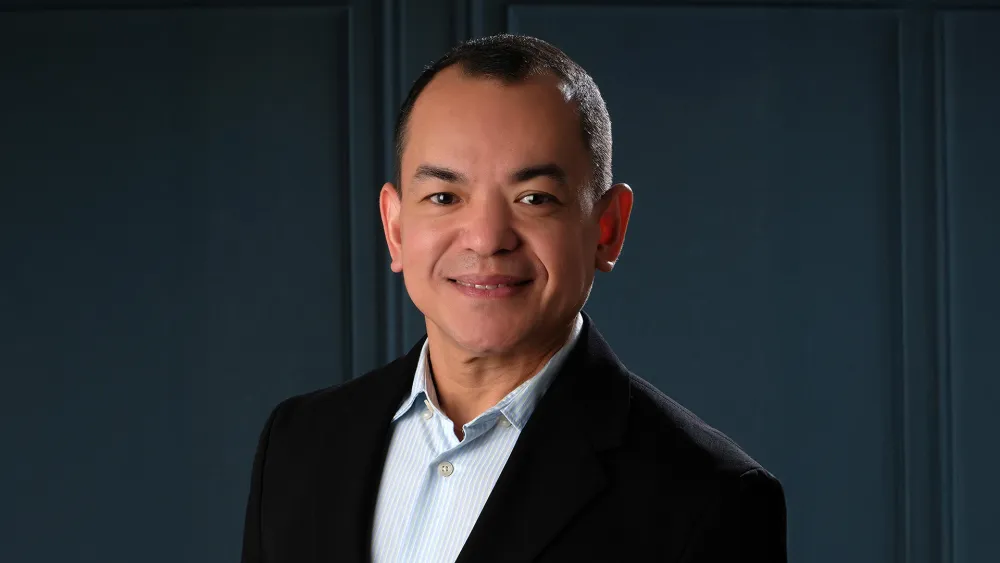
Han Kwan Juan, group head of institutional banking at DBS, said that business leaders need to rethink how to use new technologies—including artificial intelligence (AI) and tokenised solutions—and use these technologies to build operating models that can better withstand shocks.
“Organisations today are operating in a world shaped by shifting trade corridors, new architectures of money and the rapid advancement of AI,” Han said.
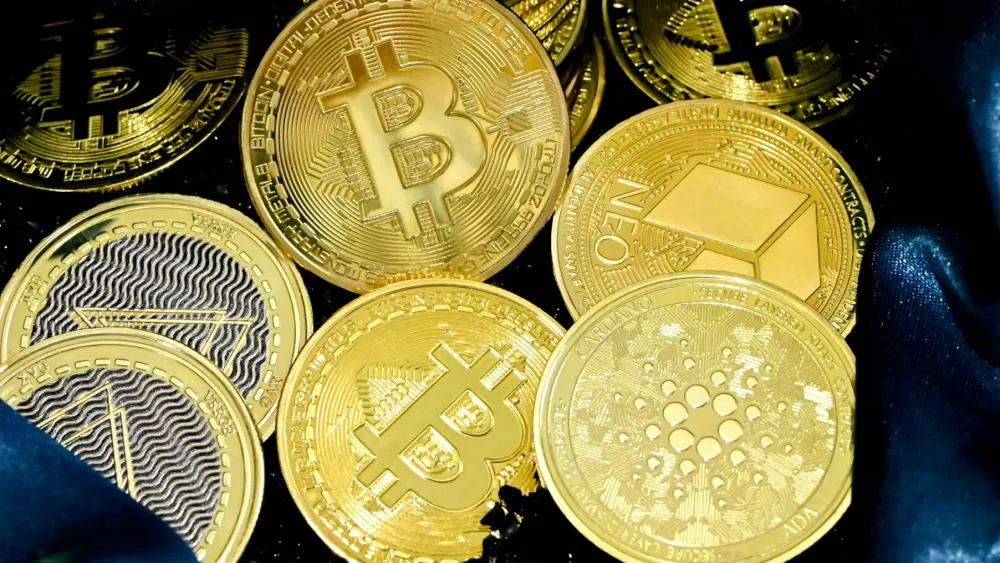
Amongst the instruments, stablecoins (63%) were the most widely adopted followed by tokenised deposits (53%) and tokenised money market funds (52%).










 Read Here
 Advertise
 Sign Up