Philippine digital finance use climbs to 62% in 2025
Only 32% of respondents could reach banks despite 79% awareness.
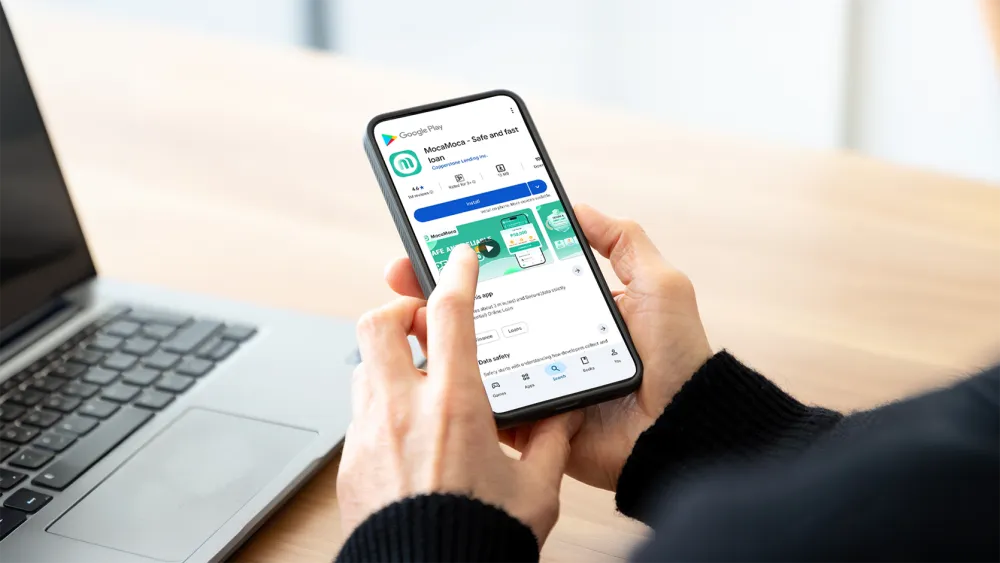
The use of electronic devices for financial transactions continued to rise in the Philippines in 2025, but access to banks and other financial service providers remained uneven.
Amongst households with an electronic device, 62% used their devices for online financial transactions in 2025. This was up from 53% in 2024, 45% in 2023 and 35% in 2022, according to the 2025 Consumer Finance and Inclusion Survey by the Bangko Sentral ng Pilipinas.
The survey also found a gap between awareness of financial access points and consumers’ ability to reach or use them.
Banks were known to 79% of respondents, but only 32% said they were accessible. Awareness of automated teller machines, or ATMs, stood at 78%, with 45% reporting access.
Pawnshops and money service businesses, including money changers, remittance agents and payment centres, were known to 74% of respondents and accessible to 39%.
E-money agents recorded a smaller gap, with 64% awareness and 43% accessibility.
The survey said the expansion of agent-based and e-money networks has helped provide financial services in rural and underserved areas, where physical bank branches may be less accessible.
Awareness of lending institutions stood at 42%, compared with an accessibility rate of 5%.
Microfinance non-government organisations had awareness of 40% and accessibility of 8%, whilst cooperatives recorded 37% and 5%, respectively.
Insurance agents were known to 28% of respondents but accessible to 2%.
Bank cash agents had awareness of 27% and accessibility of 4%, whilst non-stock savings and loan associations recorded the lowest figures, at 11% awareness and 1% accessibility.
The increase in online financial transactions comes as access to digital devices and the internet remains widespread. Around 90% of Filipino adults owned an electronic device, whilst 89% used the internet.
Smartphones were the most widely owned device at 86%, up from 81% in 2021. Laptop or personal computer ownership rose to 14% from 7%, whilst tablet ownership increased to 6% from 5%.
Ownership of basic or feature phones fell to 8% from 16%.
Internet use rose to 89% from 77% in 2021. Mobile data was the most common means of going online, used by 55% of adults, followed by home internet subscriptions at 30% and public Wi-Fi at 19%.
Despite wider digital access, the survey found that use of digital financial services remained higher amongst younger and higher-income adults. Older and lower-income groups continued to rely more heavily on cash.
















 Read Here
 Advertise
 Sign Up