Islamic finance reaches $6t as capital deployment stays uneven
Trade corridors link Gulf liquidity with fast-growing economies.
The Islamic finance industry now holds approximately $6t in assets across nearly 100 jurisdictions, emerging as a major driver of international capital flows, trade finance, and digital infrastructure amid shifts in global trade.
According to a new report by Standard Chartered, titled Islamic Banking for Financial Institutions: The Islamic Finance Connector Era, the sector is moving beyond traditional funding to connect liquidity-rich markets, such as the Gulf Cooperation Council (GCC), with fast-growing economies across ASEAN, South Asia, and Africa.
The bank noted that whilst liquidity in Islamic finance continues to deepen, capital deployment remains uneven.
Only six per cent of global sukuk capital currently reaches South Asia and Africa despite significant infrastructure and development needs in those regions, presenting a clear opportunity to bridge the funding gap.
The study highlights GCC-centred, China-centred, and Middle East-Türkiye corridors as priority channels for trade, investment, and working capital.
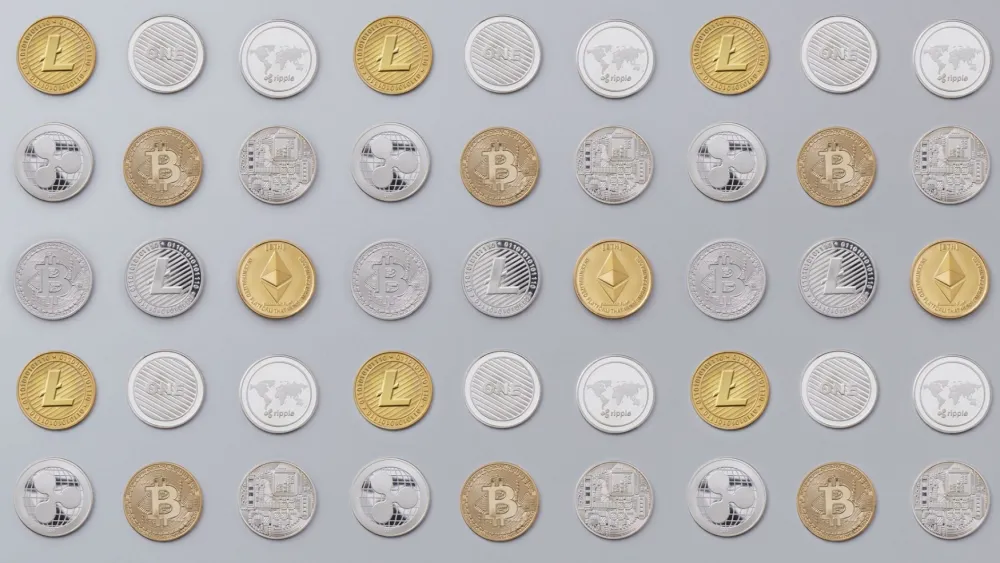
It also points to private credit and digital assets, including tokenisation, as expanding avenues for Shariah-compliant capital, provided legal and governance frameworks continue to develop.
Khurram Hilal, CEO of Group Islamic Banking at Standard Chartered, stated that the primary challenge for many markets is not a shortage of liquidity, but connecting that capital to cross-border opportunities effectively.
He added that institutions building trusted links between capital, markets, and digital infrastructure will be best placed to support sustainable growth across emerging economies.













 Read Here
 Advertise
 Sign Up